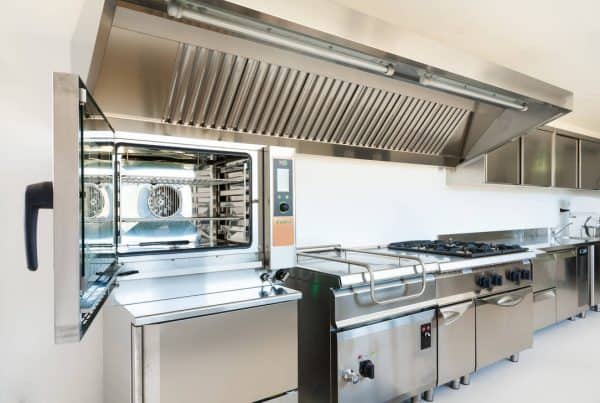
Commercial kitchens rarely stay the same forever. As restaurants grow, menus change and new equipment is introduced, kitchen layouts often need adjusting to accommodate different cooking methods, additional storage or improved workflows.
However, even relatively small changes can affect how easily certain areas can be cleaned. Moving a cooker, installing new shelving or reorganising preparation stations can create new cleaning challenges that aren’t immediately obvious.
Understanding how these changes affect cleaning access is essential for maintaining hygiene standards and ensuring that future deep cleans cover every necessary area.
Why Kitchen Layout Changes Require a Cleaning Review
Whether you’re replacing an ageing oven, installing additional workstations or reorganising storage, changing your commercial kitchen layout can have consequences beyond improving day-to-day operations.
For example, replacing an existing cooker with a larger model might leave less room to access the floor and walls behind it. Similarly, adding new shelving could make previously accessible surfaces more difficult to reach during routine cleaning.
These changes can affect how grease, food debris and dust accumulate, as well as the equipment and access arrangements needed for a thorough deep clean.
The Food Standards Agency’s food premises hygiene guidance highlights the importance of keeping commercial food premises clean and ensuring that surfaces can be cleaned effectively.
At Grease Gone, we recommend reviewing your kitchen’s cleaning requirements whenever significant layout changes take place. By identifying newly restricted areas, checking access around equipment and updating the cleaning schedule, businesses can ensure their deep-cleaning arrangements remain suitable for the revised kitchen.
Cleaning Behind and Beneath Repositioned Equipment
Moving or replacing equipment is one of the most common changes made to commercial kitchens. While these adjustments can improve cooking efficiency and create a better working environment, they can also change which areas are accessible during routine cleaning and professional deep cleans.
For example, removing an old oven may reveal years of accumulated grease and food debris beneath and behind the appliance. However, installing a larger replacement could restrict access to those same surfaces in the future.
Understanding these changes is important when planning commercial kitchen deep cleaning, as the cleaning requirements should reflect the equipment’s new position and the areas that can be safely accessed.
| Kitchen layout change | Cleaning implications | What needs reviewing |
|---|---|---|
| Replacing a cooker with a larger model | Reduced access behind and beneath the appliance | Space available for cleaning and safe access arrangements |
| Moving preparation benches | Previously hidden areas become exposed, while new gaps may form | Floor edges, walls and areas beneath workstations |
| Relocating refrigeration equipment | Dirt and food debris may be uncovered beneath the original position | Cleaning before installation and access around the new location |
| Installing additional cooking equipment | More surfaces may be exposed to grease and food residue | Cleaning responsibilities and access around the additional appliances |
At Grease Gone, we recommend reviewing these areas before and after significant kitchen alterations. Any movement of connected or heavy equipment should be arranged with the appropriate professionals, allowing the deep-cleaning team to focus on areas that can be accessed safely and effectively.
Keeping Storage and High-Level Areas Accessible

Adding extra storage is often a practical solution for commercial kitchens struggling with limited space. Installing taller shelving, additional cupboards or overhead storage units can help keep ingredients, utensils and equipment organised. However, these changes can also make certain areas more difficult to clean.
For example, installing shelving closer to the ceiling may restrict access to overhead surfaces where dust, grease and other deposits can accumulate. Similarly, adding cupboards around existing pipework can create narrow spaces that are difficult to reach during routine cleaning.
These areas shouldn’t be overlooked simply because they’re out of sight. Over time, accumulated dirt and grease can affect kitchen hygiene, particularly when deposits develop above food preparation or cooking areas.
This is where professional high-level cleaning services can provide additional support. Specialist cleaning teams can assess difficult-to-reach surfaces and determine the equipment and access arrangements required to clean them safely.
At Grease Gone, we recommend considering cleaning access whenever new storage is installed. Leaving appropriate space around shelving, overhead surfaces and existing fixtures can make future maintenance more straightforward and help ensure that important areas remain accessible during scheduled deep cleans.
Maintaining Access to Kitchen Extraction Systems
Kitchen extraction systems play an important role in removing cooking fumes, heat and airborne grease from commercial kitchens. However, changes to equipment positions, storage units or kitchen partitions can affect how easily these systems can be accessed for inspection and cleaning.
For example, installing a new cooking station beneath an existing extraction canopy may restrict access to certain components. Similarly, adding overhead cupboards or partitions could obstruct ductwork access panels, making future maintenance more complicated.
This is particularly important because grease can accumulate inside extraction systems, where it isn’t visible during everyday kitchen cleaning. Professional commercial kitchen duct cleaning helps address these hidden deposits, while specialist extractor fan cleaning focuses on grease and contamination affecting fan components.
When planning kitchen alterations, businesses should consider:
- Whether existing ductwork access panels will remain accessible.
- Whether new equipment could obstruct extraction components.
- Whether additional access arrangements will be needed during scheduled cleaning.
At Grease Gone, we recommend reviewing extraction cleaning access whenever significant layout changes are made. Any modifications to the ventilation system itself should be assessed by suitably qualified ventilation professionals, with specialist cleaning requirements agreed separately.
Updating Your Deep-Cleaning Plan After the Changes
Once changes to a commercial kitchen layout have been completed, it’s important to review the existing cleaning schedule to ensure it still reflects how the space is being used. Even relatively small alterations can introduce new cleaning requirements or make previously accessible areas more difficult to reach.
For example, installing additional cooking equipment may increase grease accumulation in certain areas, while repositioning preparation stations could change how floors, walls and surrounding surfaces need to be cleaned.
At Grease Gone, we recommend reviewing the following areas after significant kitchen alterations:
- Cleaning responsibilities: Identify any new surfaces or equipment that need to be included in daily and scheduled cleaning routines.
- Equipment access: Check whether appliances, storage units or workstations restrict access to areas requiring deeper cleaning.
- Specialist cleaning requirements: Review whether changes affect the cleaning of extraction systems, high-level surfaces or other difficult-to-reach areas.
- Cleaning schedules: Adjust cleaning arrangements according to equipment use, kitchen activity and the condition of the areas involved.
Reviewing these details can help prevent important areas from being overlooked and ensure that future deep cleans remain effective.
If you’ve recently redesigned your commercial kitchen or are planning changes, Grease Gone can help you review your deep-cleaning requirements and identify areas that may need specialist attention.
Contact our team to discuss your kitchen layout and arrange a cleaning assessment that reflects your updated facilities.