
Book now. Grease (and Dirt) Gone!

Importance of
Kitchen Ducting Cleaning
Most restaurant owners will understand the importance of a regular cleaning schedule for their commercial kitchen. Keeping all areas, from cookware to surfaces spotlessly clean is crucial for optimum hygiene but there’s one area in particular that may need additional attention and that’s your ventilation system.
It’s important to ensure your commercial kitchen’s ventilation system is professionally cleaned for a number of reasons. These include:
- Preventing the build up of grease and bacteria within your extraction system which would prevent it from ensuring a fresh air flow.
- Ensuring you adhere to the Regulatory Reform (fire safety) Order 2005 in which it states your extraction system must become part of your fire risk assessment with necessary action taken.
- Ensuring you don’t breach the Environmental Health Regulations which would ultimately invalidate your insurance.
- Preventing the risk of fire.
Book Now. Grease (and Dirt) Gone!
Book Now

Our Team Are Geared Up To Deliver For Almost Any Industry
But Our Expertise Focus On Providing Commercial Cleaning Services For:
How Often Should You Clean Your Kitchen Ventilation System?
To help those with commercial kitchens, there are of course general guidelines that one can stick to in order to ensure their ductwork is clean. While these are general, it’s worth noting:
- Ductwork – this can vary from every 3 months to every 12 months. The frequency you need will depend on the use, whether yours undergoes heavy use (12-16 hours a day), moderate use (6 – 12 hours a day) or light use (2 – 6 hours a day).
- Extractor Hoods & Filters – while these should be cleaned and degreased daily, these should be tended to regularly by a professional cleaner roughly every 3 – 5 months. Cooking should never be carried out unless there is a filter in place.
Avoid Fire Hazards
With Regular Cleaning
The prevention of fire is perhaps one of the most important aspects of kitchen ventilation system cleaning for the simple fact that around 70% of fires in commercial kitchens actually originate from the ventilation system. Why? It’s all down to a build up of grease and fat. Add on the environmental health hazards that come with a build up of grease within our ventilation systems due to poor air quality and it’s easy to see the importance of regular kitchen deep cleaning. The question is, how often should you be cleaning these systems?
Book Now. Grease (and Dirt) Gone!
Book Now

What Our Commercial Kitchen Duct Cleaning Service Includes
Grease Gone cleans the grease-bearing parts of commercial kitchen extract systems, including accessible ductwork, canopies, filters, plenum areas and fan housings where these are included in the agreed scope. We assess grease build-up and access before the clean, use commercial-grade methods to remove deposits and provide supporting documentation for your records.
For kitchen extract systems, BESA TR19 Grease guidance is widely used as an industry benchmark for inspection, cleaning and reporting. Where TR19 compliance is required, see our TR19 duct cleaning service. We can also recommend a suitable cleaning frequency based on system usage and grease accumulation rather than relying on a fixed schedule alone.
If you’d like more information on commercial kitchen duct and ventilation cleaning, please contact Grease Gone today on 020 8866 3413.
One click away from a Dust Free Facility, We have proof!

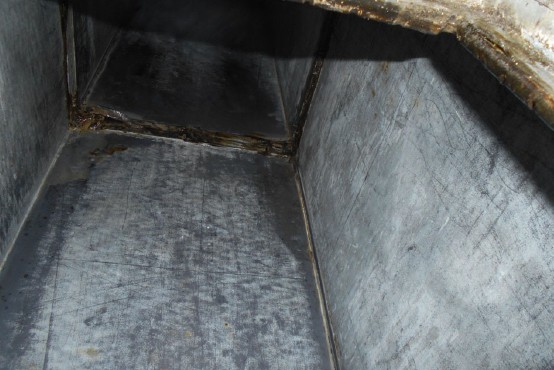
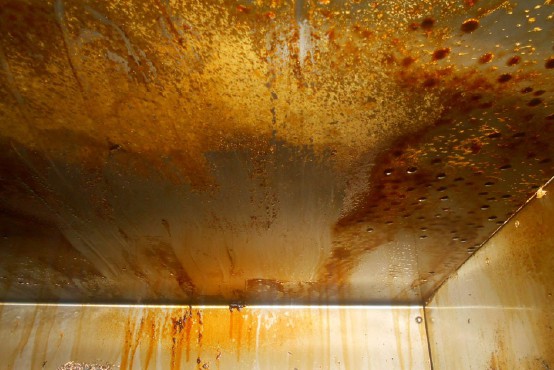
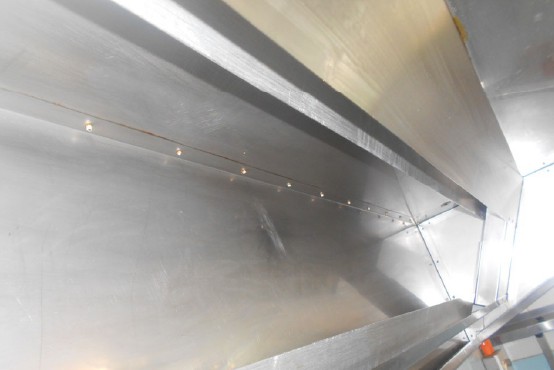

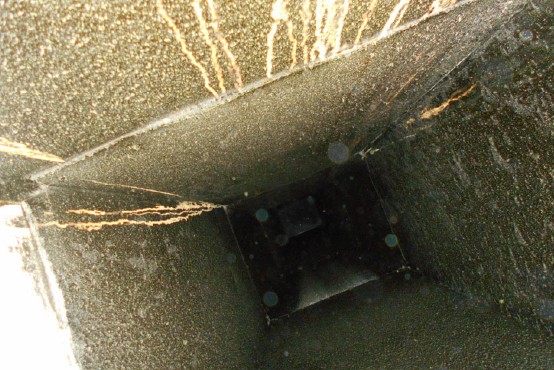
Book your Appointment Today, Our Team are always on hand.
Kitchen Duct Cleaning FAQS
What is commercial kitchen duct cleaning and why is it important?
Commercial kitchen duct cleaning involves the removal of grease, debris, and contaminants from the ductwork, fans, and vents of kitchen extraction systems. This cleaning is crucial for maintaining air quality, reducing fire hazards, and ensuring compliance with health and safety regulations in London.
How often should commercial kitchen ducts be cleaned in London?
Cleaning frequency depends on daily operating hours, the type of cooking and how quickly grease builds up in the extraction system. Typical intervals can range from around three to twelve months depending on usage. The appropriate schedule should also take account of BESA TR19 Grease guidance, the condition of the system and any insurer or fire-risk requirements that apply to the premises.
What regulations apply to commercial kitchen duct cleaning in London?
In London, commercial kitchens must comply with the Regulatory Reform (Fire Safety) Order 2005, which mandates the management of fire risks, including grease buildup in extraction systems. Additionally, the Health and Safety Executive (HSE) and local council guidelines must be followed to ensure that ventilation systems are maintained to prevent health hazards.
How much does commercial kitchen duct cleaning cost?
The cost depends on the length and layout of the ductwork, grease condition, access, the number of extract systems and whether canopies, fans or other components are included. Grease Gone provides a tailored quotation after reviewing the system and the required scope of work.
Will I receive a report after kitchen duct cleaning?
Yes. We provide supporting documentation for the completed clean, recording the work carried out and any issues or future maintenance recommendations identified during the service. Where the work is being completed to TR19 requirements, the reporting is aligned with the agreed compliance scope.
Google Rating
Based on 7 reviews




